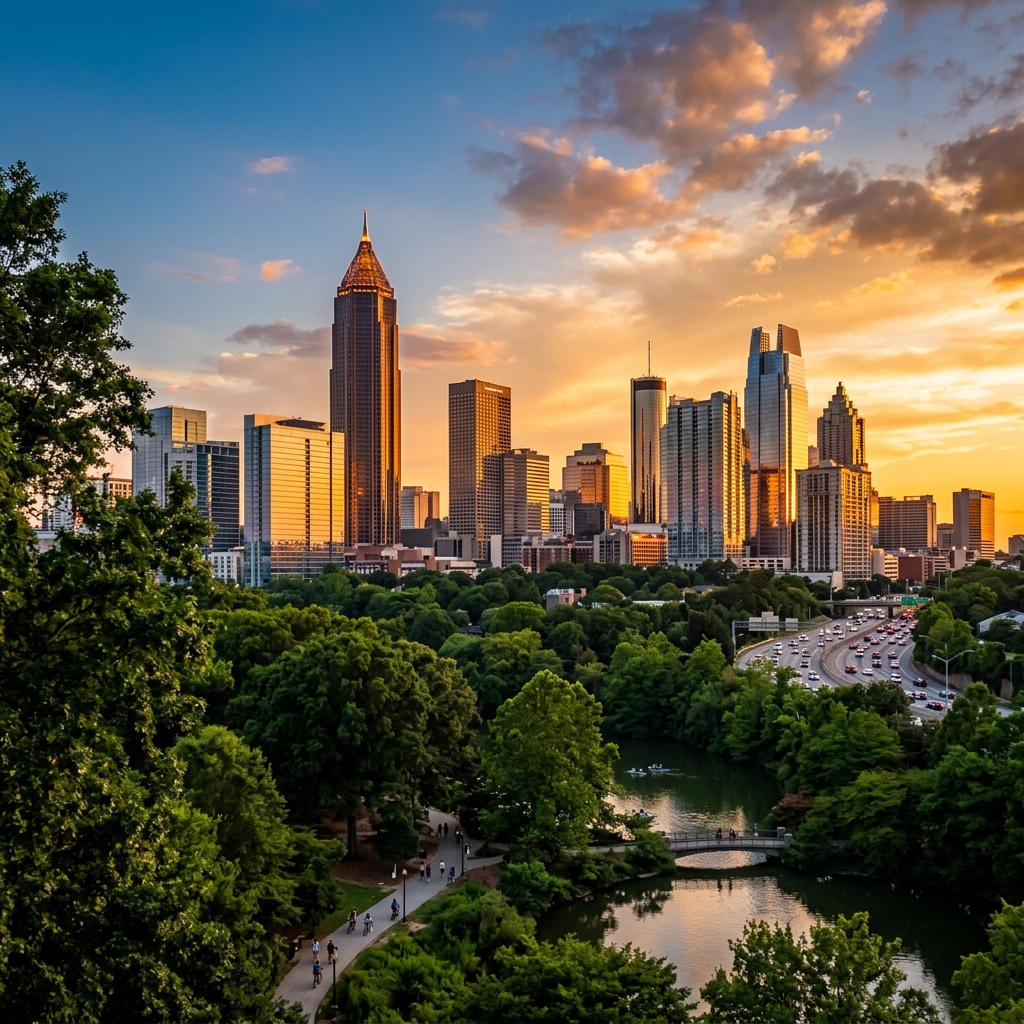

Atlanta residents have two opportunities in the coming days to shape work at the former Chattahoochee Brick Company site: a Saturday session on memorial, park and trail concepts, followed by a Monday meeting focused on brownfield cleanup.
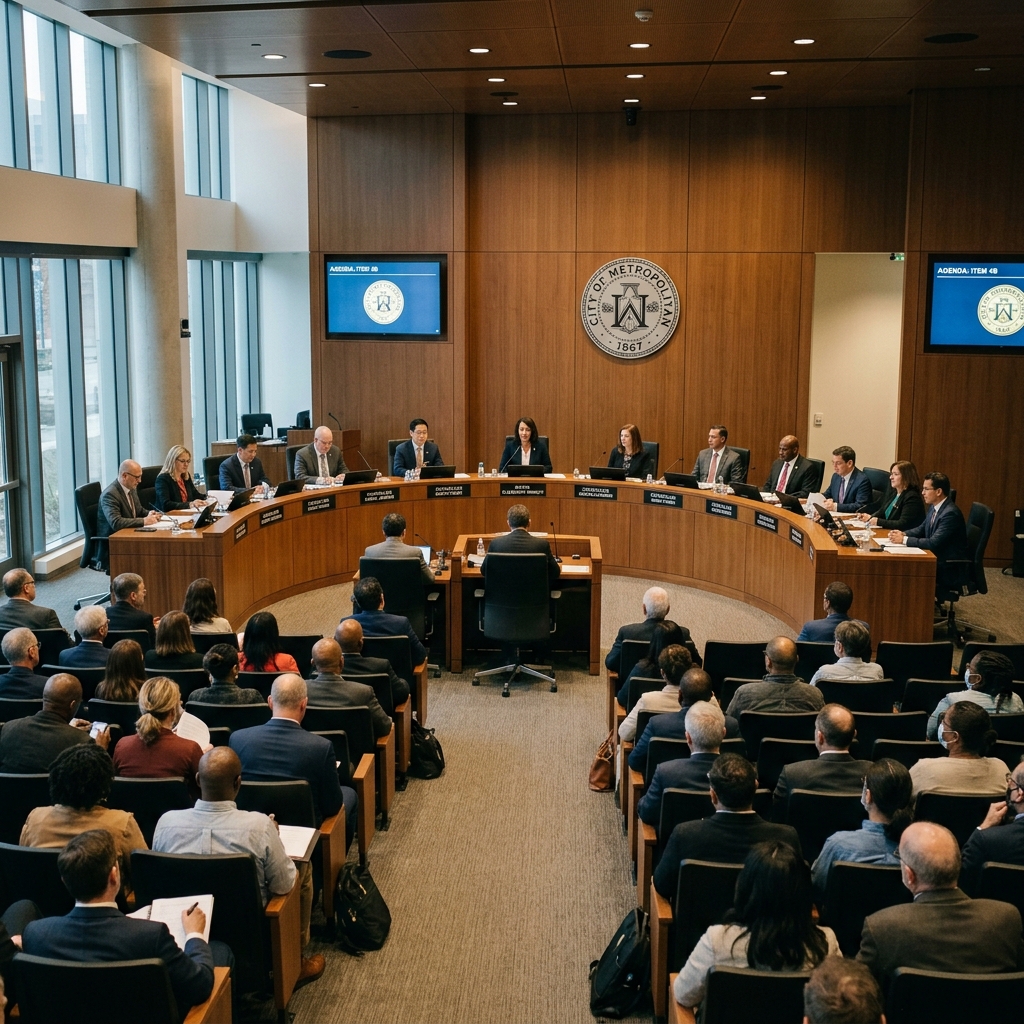
The Department of City Planning lists Community Meeting No. 4 for Saturday, July 25, from 10:30 a.m. to 1 p.m. at Rosel Fann Recreation Center. The session will cover the Chattahoochee Brick Company site and the Atlanta RiverLands Memorial, Park and Trail Network.
City planners say the meeting will show how earlier community feedback has influenced the latest design concepts. Residents will also be able to offer comments intended to guide the project’s next phase.
A separate cleanup meeting is scheduled for Monday, July 27, at 6:30 p.m. at the Northwest Library at Scotts Crossing. That meeting will address the proposed brownfield cleanup for the Chattahoochee Brick Company site, with time for questions and public input.
The city says the formal public-comment period on the cleanup plan will run from July 27 through Aug. 26.
Two meetings, two different decisions
The Saturday and Monday events are related, but they are not interchangeable.
Saturday’s meeting is about the public-facing future of the site and its connection to Atlanta RiverLands. That includes design ideas for a memorial and park, along with a trail network intended to reconnect communities to the Chattahoochee River.
Monday’s meeting is about environmental work. A brownfield is land where redevelopment may be complicated by actual or potential contamination. The cleanup discussion is therefore a practical step that can affect how the site is made safe and how later park construction proceeds.
Residents who care about both the memorial design and the cleanup process may want to participate in both meetings. Comments about trails, interpretation and public space belong most directly in Saturday’s discussion. Questions about the cleanup proposal, environmental review and the public-comment record belong in Monday’s.
What the city says the project should do
The project’s official site describes the planned Chattahoochee Brick Company Memorial and Park and the Atlanta RiverLands Trail as a combined effort to “reflect on the past, restore the land, and reconnect communities to the Chattahoochee River.”
That three-part statement sets a broad standard for the work. The memorial component concerns how the site’s history is presented. Restoration concerns the physical condition of the property. The RiverLands connection concerns access and the site’s place within a larger trail and open-space network.
The July 25 design meeting is the fourth numbered community meeting in the planning process. The city’s update page also links to materials from Community Meeting No. 3, held in April, along with an online survey for people who could not attend.
How to participate
Community Meeting No. 4 is scheduled for:
- When: Saturday, July 25, 10:30 a.m.–1 p.m.
- Where: Rosel Fann Recreation Center
- Focus: Memorial, park and Atlanta RiverLands design concepts
The brownfield cleanup meeting is scheduled for:
- When: Monday, July 27, 6:30 p.m.
- Where: Northwest Library at Scotts Crossing
- Focus: Proposed cleanup, questions and public comment
Residents should check the city’s event links before traveling in case room details or registration instructions change. Anyone unable to attend the cleanup meeting can still follow the public-comment process during the July 27–Aug. 26 window.
The two-meeting format gives residents a chance to evaluate both the vision and the groundwork. A memorial and trail plan can only succeed if the site’s history, environmental condition and neighborhood access are addressed together.