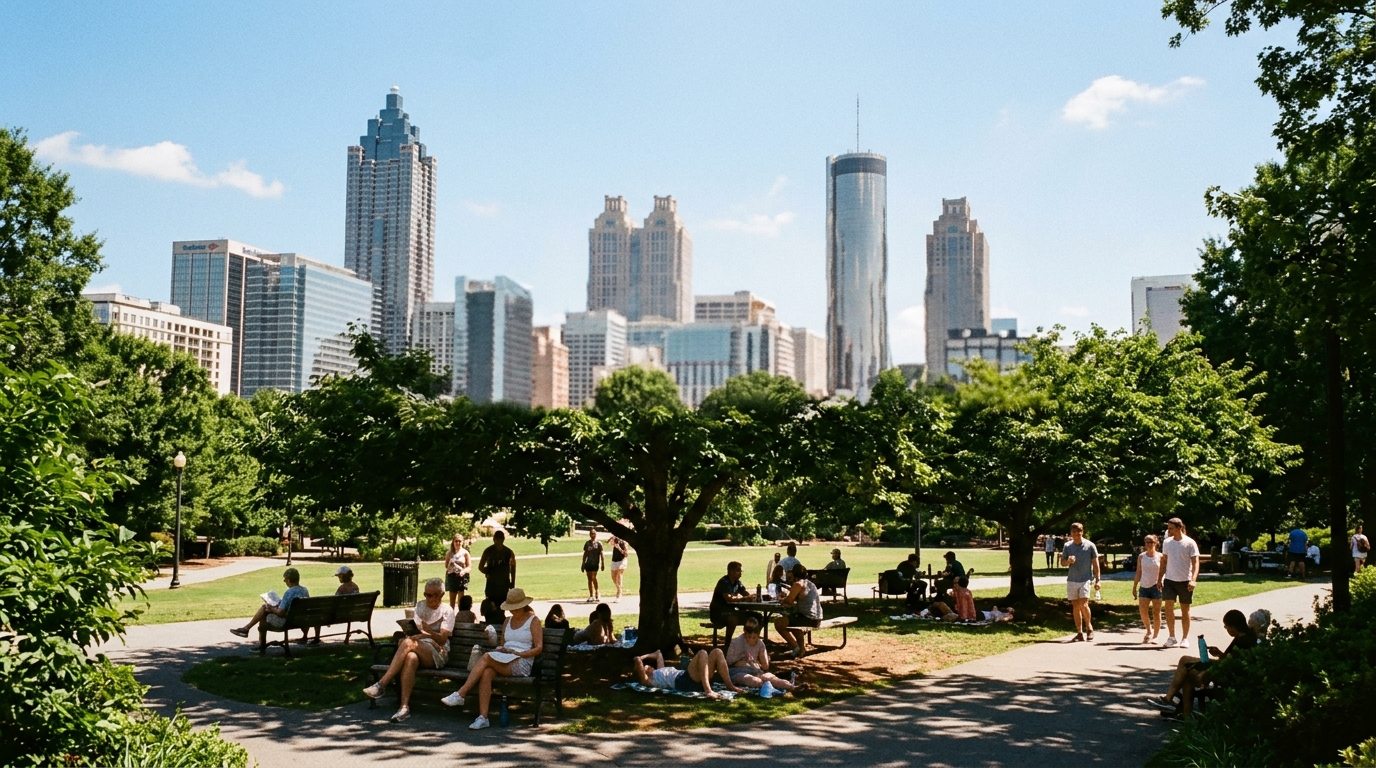

ATLANTA — City Hall is putting a formal heat-safety homework assignment on the mayor’s desk after a summer stretch that left advocates unconvinced Atlanta was ready for prolonged triple-digit feels-like weather.
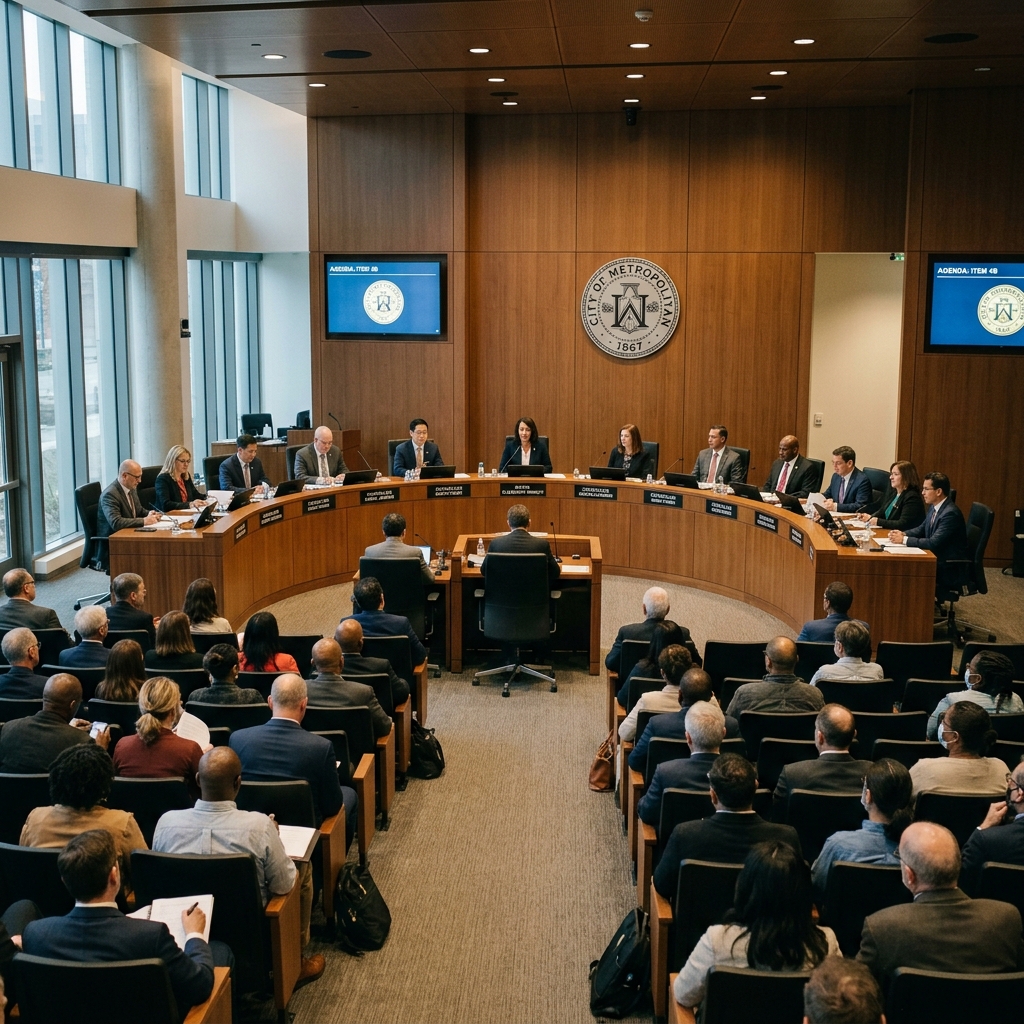
The Atlanta Journal-Constitution reported that City Council unanimously passed a resolution Monday directing Mayor Andre Dickens’ office and partner departments to craft an extreme heat safety plan. Council member Kelsea Bond proposed the measure after a brutal late-June into early-July heat and humidity stretch that pushed feels-like temperatures into the high 90s and low triple digits for more than a week, with little overnight relief.
What the resolution asks for
According to the AJC’s account of the measure, the plan is supposed to cover:
- New cooling-center locations and expanded operating hours.
- Increased outreach to people at highest risk, including people experiencing homelessness, seniors, and households without central air conditioning.
- Extreme-heat warnings delivered by text, robocall, email, social media, and Notify ATL.
- Updated, science-based protocols for when the city launches its heat response.
- A centralized heat-safety and resource website.
The resolution is a policy directive, not a finished facilities budget. Implementation still runs through the Dickens administration and the departments that would staff centers, pool operations, and emergency messaging.
Why the Fourth of July week still stings
The AJC previously documented withering criticism from homeless-services groups over the city’s response during that heat stretch. Reporting summarized that fire stations offered water and the city operated one cooling center at Selena S. Butler Park in Old Fourth Ward from 11 a.m. to 6 p.m. — then closed it July 3 for staffing shortages and kept it shut on the Fourth of July. City pools also closed for the holiday.
Grassroots groups told Council’s Community Development and Human Services Committee they filled gaps themselves by distributing water and ice across the city and nearby counties. Sarah Zimbardi, an advocacy coordinator with Central Outreach and Advocacy Center, told the committee Atlanta must “do better and not just check the box on having a cooling center available,” the AJC reported.
Trigger rules under scrutiny
Absent a unilateral order from the mayor or chief operating officer, cooling centers open under thresholds the AJC described as a forecast heat index of 95 degrees or higher for at least five hours on two or more straight days, or a National Weather Service heat advisory lasting longer than five hours. Advocates and heat researchers argue those bars can leave vulnerable people exposed even when official advisories are not in effect, especially under high humidity.
Michael Smith, a spokesperson for Mayor Dickens, told the AJC the administration began reviewing and updating heat procedures months ago “to ensure we have a best-in-class response to extreme heat events that are increasing in frequency,” and said findings would be shared with Council and the public.
Climate backdrop
Federal climate assessment material cited in the AJC package warns much of Georgia could see 10 to 40 more days at or above 95 degrees by midcentury. Heat already ranks among the deadliest extreme-weather hazards nationally; CDC estimates commonly cited in the coverage put U.S. heat-related deaths around 1,200 a year.
For metro readers, the durable near-term facts are the unanimous Council vote, the specific plan elements Bond’s resolution demands, and the still-open question of how quickly Dickens’ office converts the directive into staffed centers, clearer public alerts, and trigger rules that match summer reality rather than a checkbox calendar.