
MARTA will not have its highly anticipated new railcars in passenger service in time for the 2026 FIFA World Cup, the agency confirmed Friday, acknowledging that the debut of the CQ400 fleet has been delayed by unfinished safety testing and federal certification requirements.
The setback means the transit system will rely entirely on its existing fleet of refurbished heavy-rail cars — some of which are more than 40 years old — to handle what is expected to be the largest surge in ridership in the agency’s history.
What happened
MARTA had set an internal goal of putting the first CQ400 cars into revenue service by early June, giving the agency roughly a week of shakedown runs before the World Cup’s opening match in Atlanta on June 11.
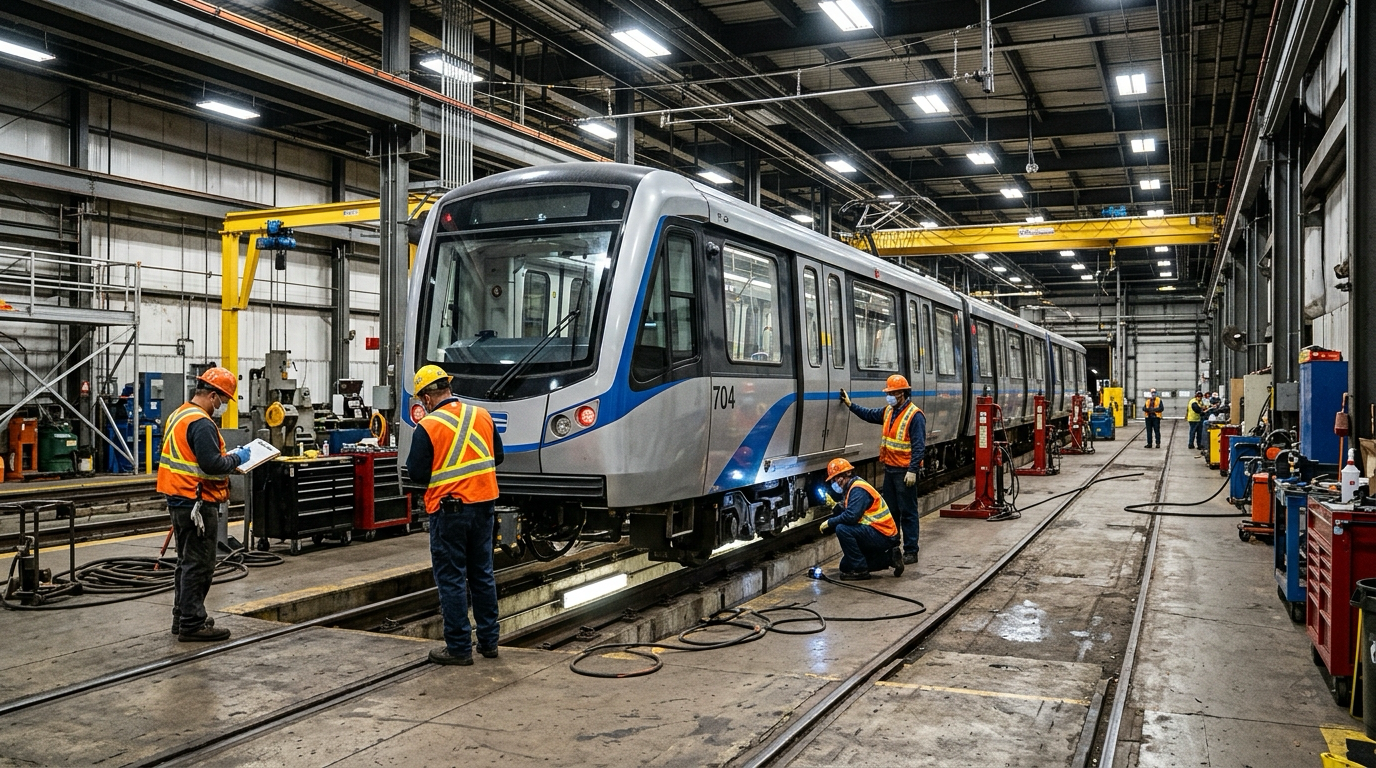
But the Federal Transit Administration’s safety certification process took longer than projected. The CQ400 cars must pass a series of dynamic braking tests, door-cycling reliability checks, and passenger-load simulations before they can carry fare-paying riders.
“We are not going to rush certification to meet a calendar deadline. These cars will enter service when they’re ready — and they’re close.”
— MARTA official
Agency staff said the remaining testing is expected to take four to six additional weeks, putting a realistic debut somewhere in mid- to late July.
What riders are missing
The CQ400 fleet represents the first new railcar purchase MARTA has made in more than a decade. The cars, manufactured by Stadler, feature:
- Open gangway interiors that allow passengers to walk the full length of a train set
- Wider doors designed to reduce boarding and alighting times
- LED lighting, USB charging ports, and digital route maps
- Improved air conditioning and quieter ride quality
- ADA-compliant seating and dedicated wheelchair spaces
MARTA initially ordered 127 cars as part of a contract valued at approximately $646 million.
The existing fleet
In the meantime, MARTA has marshaled its existing fleet of roughly 250 refurbished CQ310 and CQ311 cars to meet World Cup demand. Agency officials said every operable car is now in the service rotation, and maintenance crews are running 24-hour shift schedules to keep availability rates above 90 percent.
The refurbished cars — which received midlife overhauls including new flooring, seat upholstery, and updated HVAC systems — are serviceable but show their age. Riders regularly encounter flickering interior lights, balky doors, and air-conditioning inconsistencies, particularly during Atlanta’s summer heat.
The broader timeline
Even after the first CQ400 cars enter service, the full fleet transition will take years. MARTA plans a phased rollout, gradually replacing older cars on the Blue and Green lines first, followed by the Red and Gold lines.
The agency has not set a firm date for full fleet replacement but has previously said the transition could stretch into 2028 or 2029.
Elena Vásquez covers Atlanta city hall and transportation for WACN 21. Reach her at evasquez@wacn21.com.