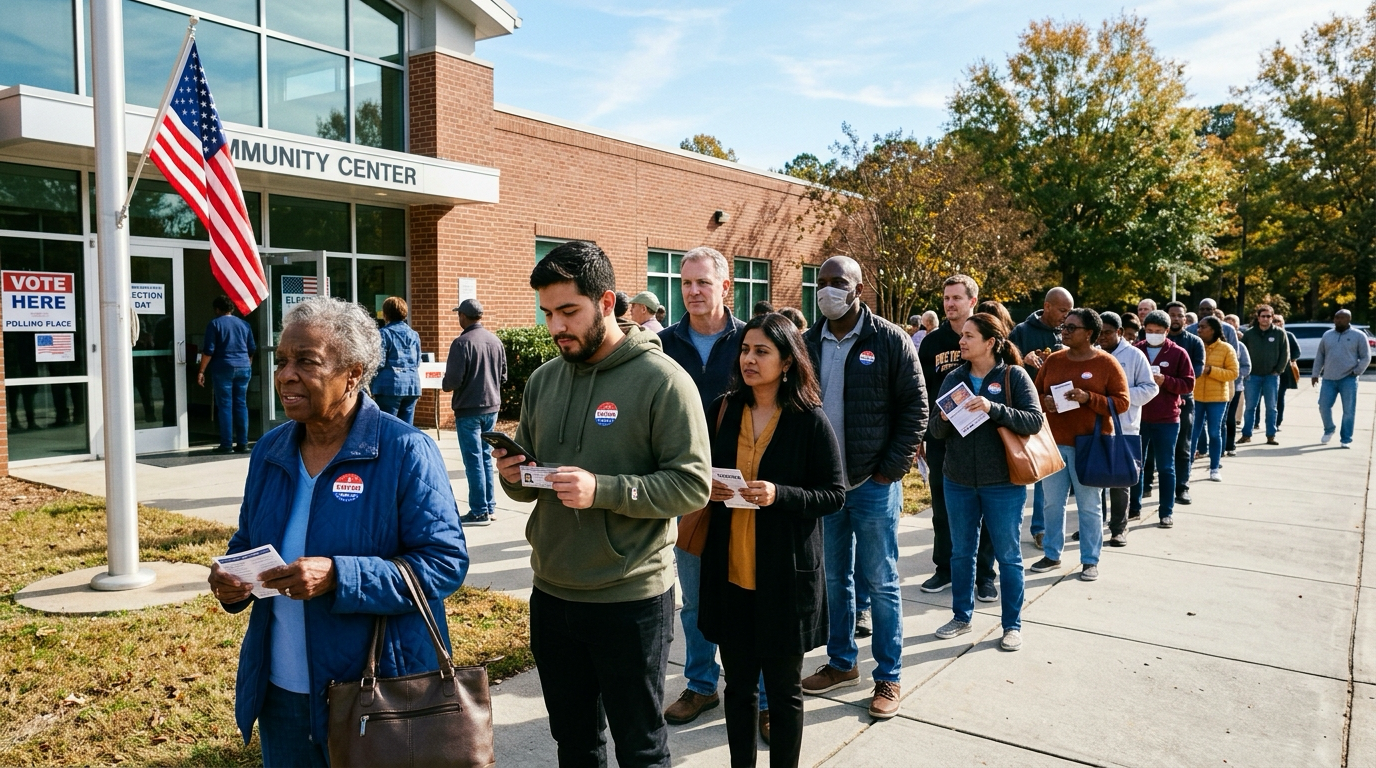

METRO ATLANTA, Ga. — Voters in Georgia’s 13th Congressional District will choose a new representative Tuesday to complete the late U.S. Rep. David Scott’s term.
The July 28 special election applies to voters in Rockdale County and portions of Clayton, DeKalb, Gwinnett, Henry and Newton counties. The winner will serve through the end of 2026.
This contest is separate from the regular November election for the congressional term that begins in 2027.
Who is on the ballot?
Five eligible candidates are competing in the special election. Three are Democrats and two are Republicans:
- Everton “EJ” Blair Jr., Democrat
- Carlos Moore, Democrat
- Marcye Scott, Democrat
- Caesar Gonzales, Republican
- Fayth Park, Republican
All candidates appear together on one ballot, regardless of party. A candidate must receive more than 50% of the vote to win. If no one reaches that threshold, the two candidates with the most votes will advance to a special runoff Aug. 25.
Tony Brown was disqualified but remains printed on the ballot, according to WABE’s July 23 update. Votes cast for Brown will not count.
Check your polling place before leaving
Georgia’s My Voter Page allows voters to confirm their registration information and find their assigned polling place. Because the district covers one full county and parts of five others, voters should verify that they live within the 13th District and check their specific voting location before heading out Tuesday.
The registration deadline for this special election was June 29.
Advance voting began July 6 and ended Friday, July 24. Voters who did not cast a ballot during that period will need to use their assigned Election Day polling place if they are eligible and want to participate.
The supplied election materials do not establish polling hours, so voters should consult Georgia’s official election resources and their county election office for current location information.
Identification and absentee ballots
Georgia requires photo identification for in-person voting. The Secretary of State’s voting guide lists accepted forms of identification and explains options available to voters who do not have one.
The deadline to request an absentee ballot was July 17. A completed absentee ballot must be returned by July 28. Voters handling an absentee ballot should follow the official return instructions and use Georgia’s voter resources to check available status information.
Why the election is being held
The special election will fill the remainder of Scott’s term following his death. It will not decide who represents the district during the full term beginning in January 2027.
That distinction means some voters in the district will see congressional contests on two different election timelines this year: Tuesday’s special election for the remainder of 2026 and the regular election process for the next term.
If Tuesday’s leading candidate finishes with exactly 50% or less, the race will continue to the Aug. 25 runoff. Only the top two finishers would appear in that contest.
Voters can use the state’s My Voter Page for their assigned polling location, registration details and other personalized election information.